

Topping Out

The dictionary definition of ‘Topping Out’ is “The completion of the structure of a building, usually when the final part of the roof is completed”. This formal ritual is to bring a building luck.
This myths behind the origins of this ceremony are many and varied but they are believed to date back to the pre dark ages. Personally, my favourite version hails from Scandinavia where folklore dictated that placing a tree on top of a new dwelling would appease the ancestors of the tree dwelling spirits who had been dislodged in construction.
Those that know me well will know that I love a dictionary definition – it tends to be where I start much of my research – and it often leads me down a rabbit hole or three. At Castellum, we are currently planning a topping out ceremony for one of our projects on the Wentworth Estate which is what has led me here…
Just to be clear, topping out today does not mean finished – it generally means that the roof is on and that the building is as high as it is going to be. And that led me to wondering about other key milestones in the construction process. In summary:
Preconstruction
Prior to works on site an awful lot of work goes into the planning. Many of the planning conditions need to be met prior to works beginning on site and these can be wide and varied. They range from fairly standard requirements such as providing the Local Planning Department (and sometimes English Heritage) with details on window finishes, sample panels and the like, to providing landscaping plans and carrying out environmental studies with mitigation strategies to deal with bats, owls, newts and so on. The Construction Phase Plan needs to be agreed and signed off and this will include items such as the Health and Safety Methodology.
Site set up Demolition and enabling works
Site set up includes assembling the team, putting up all the required signage, installing site cabins, providing welfare facilities and doing all the health and safety inspections and inductions. Once set up is complete, any demolition and enabling works can commence. Enabling works might include asbestos removal and, should the need arise, contaminated soil will be removed with removal certified. Occasionally this might sometimes include other special measures such as archaeological surveys and sample trenches for example; the findings of which can lead to the need of a watching brief if the site is particularly sensitive historically.
Substructure
‘Laying foundations’ is talked about across all walks of life and applied to multiple situations -people talk a great deal about the importance of a good early education in such terms as an example. In the building world it really is a mucky business and, when you are digging huge trenches with massive diggers or using piling rigs, it can be difficult to imagine that it is a very precise process – but it really is. A few millimetres out on a foundation can throw a whole drawing and the same is true of drainage. Planning and precision is what it is all about but it certainly is not glamourous!
Superstructure
Superstructure does sound a great deal more glamourous, and I am not sure about that but it certainly is far more exciting. External walls going up makes a project very real. Buildings bizarrely appear to expand and contract along their construction journey. Foundations often make a property look much smaller than imagined from drawings, walls going up does the opposite. This is the first opportunity to physically walk through a future home and imagine life within it.
Topping out
Putting the roof on takes many forms these days with steel or timber frames being the most common; the roof finish has always been varied. It seems funny to attach a tree to a roof without timber but who doesn’t love a quirky tradition?
Windows and doors
Another key milestone is when the windows and doors go in. Windows are often referred to as the eyes of a building and this is not accidental. The origin of the word window (vindrauga) is Norse: ‘vindr’ translates as ‘wind’ and ‘auga’ means ‘eye’. Windows allow light and shadows into a building and provide a view out. It is another exciting step in the construction process and, following on from topping out, is typically when the building becomes watertight.
Le opzioni di deposito minimo nelle scommesse secondo Scommezoid
Il panorama delle scommesse sportive online ha subito una trasformazione radicale negli ultimi anni, con l’introduzione di politiche di deposito minimo sempre più accessibili. Questa evoluzione ha democratizzato l’accesso al betting, permettendo anche a scommettitori con budget limitati di partecipare responsabilmente. Secondo le analisi di Scommezoid, comprendere le dinamiche dei depositi minimi rappresenta un elemento fondamentale per orientarsi consapevolmente in questo settore in continua espansione. La scelta del deposito iniziale non è semplicemente una questione economica, ma riflette una strategia di gestione del bankroll e un approccio responsabile al gioco.
L’evoluzione storica dei depositi minimi nel betting online
Agli albori delle scommesse online, intorno alla fine degli anni ’90 e l’inizio del nuovo millennio, i depositi minimi richiesti dai bookmaker erano significativamente più elevati rispetto agli standard attuali. Le piattaforme pionieristiche richiedevano generalmente depositi iniziali che oscillavano tra i 50 e i 100 euro, una soglia che limitava considerevolmente l’accesso al mercato. Questa barriera economica era giustificata principalmente dai costi operativi elevati delle transazioni bancarie e dalla necessità di garantire margini di profitto sostanziosi in un mercato ancora in fase di consolidamento.
Con l’avvento delle tecnologie di pagamento digitale e l’intensificarsi della concorrenza tra operatori, si è assistito a una progressiva riduzione delle soglie minime di deposito. L’introduzione di e-wallet come PayPal, Skrill e Neteller ha rivoluzionato il settore, permettendo transazioni istantanee a costi ridotti. Questa innovazione tecnologica ha consentito ai bookmaker di abbassare i requisiti minimi, rendendo il betting accessibile a una platea molto più ampia. Oggi, molti operatori offrono depositi minimi che variano tra 5 e 10 euro, con alcuni che si spingono fino a soglie di 1 euro per attirare nuovi utenti.
La regolamentazione del settore ha giocato un ruolo cruciale in questa evoluzione. In Italia, l’Agenzia delle Dogane e dei Monopoli ha stabilito linee guida precise che gli operatori devono rispettare, bilanciando l’accessibilità del servizio con la necessità di promuovere il gioco responsabile. Secondo Scommezoid, questa supervisione ha contribuito a creare un ambiente più trasparente e sicuro per gli scommettitori, dove le opzioni di deposito minimo sono chiaramente comunicate e non nascondono costi aggiuntivi o condizioni poco chiare.
Tipologie di deposito minimo e loro implicazioni strategiche
Le piattaforme di scommesse online hanno sviluppato diverse strategie di deposito minimo 3 euro https://scommezoid.com/deposito-minimo-3-euro/, ciascuna con caratteristiche specifiche che si adattano a differenti profili di scommettitori. La categoria più comune è quella dei depositi minimi standard, generalmente compresi tra 5 e 20 euro, che rappresentano un compromesso equilibrato tra accessibilità e sostenibilità operativa per i bookmaker. Questa fascia è particolarmente apprezzata dagli scommettitori occasionali che desiderano testare una piattaforma senza impegnare somme considerevoli.
Esiste poi una categoria di depositi minimi ultra-bassi, che partono da 1 euro, offerti da operatori che puntano su una strategia di acquisizione aggressiva. Questi depositi microscopici sono spesso associati a promozioni specifiche o a periodi promozionali limitati. Tuttavia, come evidenziato nelle analisi di Scommezoid, è importante notare che depositi così ridotti possono comportare limitazioni operative, come restrizioni sui metodi di prelievo o requisiti particolari per l’accesso a determinate funzionalità della piattaforma.
Un aspetto spesso trascurato riguarda la correlazione tra deposito minimo e metodo di pagamento scelto. Le carte di credito e debito tradizionali tendono ad avere soglie minime leggermente superiori rispetto agli e-wallet, a causa dei costi di transazione più elevati. I bonifici bancari, pur essendo sicuri, richiedono generalmente depositi minimi più consistenti, solitamente non inferiori a 20-30 euro. Al contrario, le criptovalute stanno emergendo come un’alternativa interessante, con alcuni operatori che accettano depositi minimi equivalenti a pochi euro in Bitcoin o altre valute digitali, offrendo inoltre il vantaggio dell’anonimato e della rapidità delle transazioni.
La gestione strategica del bankroll inizia proprio dalla scelta del deposito minimo. Gli esperti di betting raccomandano di depositare una somma che permetta di effettuare almeno 20-30 scommesse con stake unitario, garantendo così una gestione prudente del capitale e riducendo il rischio di esaurire rapidamente i fondi disponibili. Un deposito minimo troppo basso potrebbe infatti limitare le possibilità di implementare strategie di scommessa efficaci e costringere a stake eccessivamente ridotti che rendono difficile ottenere profitti significativi.
Considerazioni pratiche e gestione responsabile del budget
La scelta del deposito minimo dovrebbe essere sempre guidata da principi di responsabilità e consapevolezza finanziaria. Prima di effettuare qualsiasi deposito, è fondamentale stabilire un budget mensile dedicato alle scommesse che non comprometta le necessità economiche essenziali. Questo importo dovrebbe essere considerato come una spesa per l’intrattenimento, non come un investimento con aspettative di rendimento garantito.
Un errore comune tra i neofiti consiste nel depositare ripetutamente piccole somme senza una pianificazione strategica, fenomeno che può portare a una perdita di controllo sulla spesa complessiva. Scommezoid sottolinea l’importanza di monitorare attentamente tutte le transazioni e di utilizzare gli strumenti di autocontrollo messi a disposizione dagli operatori legali, come i limiti di deposito settimanali o mensili. Questi meccanismi di protezione sono obbligatori per tutti i bookmaker autorizzati in Italia e rappresentano un’importante salvaguardia contro comportamenti compulsivi.
Le promozioni legate ai depositi minimi meritano un’attenzione particolare. Molti operatori offrono bonus di benvenuto che richiedono un deposito minimo specifico per essere attivati. È essenziale leggere attentamente i termini e le condizioni associate a queste offerte, prestando particolare attenzione ai requisiti di scommessa (rollover) che devono essere soddisfatti prima di poter prelevare eventuali vincite derivanti dal bonus. Un bonus apparentemente generoso potrebbe rivelarsi poco vantaggioso se vincolato a condizioni eccessivamente restrittive.
La sicurezza delle transazioni rappresenta un altro aspetto cruciale nella scelta della piattaforma e del metodo di deposito. I bookmaker autorizzati dall’ADM utilizzano protocolli di crittografia avanzati per proteggere i dati finanziari degli utenti. È consigliabile verificare sempre la presenza della licenza italiana e preferire metodi di pagamento che offrono ulteriori livelli di protezione, come l’autenticazione a due fattori o i sistemi di verifica biometrica ormai disponibili su molte app di pagamento mobile.
Infine, la trasparenza dei costi associati ai depositi è un indicatore importante della serietà di un operatore. Mentre la maggior parte dei bookmaker non applica commissioni sui depositi, alcuni metodi di pagamento potrebbero comportare costi aggiuntivi imposti dagli intermediari finanziari. Verificare preventivamente l’esistenza di eventuali spese nascoste permette di effettuare scelte informate e di ottimizzare la gestione del proprio budget dedicato alle scommesse.
In conclusione, le opzioni di deposito minimo nel settore delle scommesse online rappresentano molto più di una semplice soglia d’ingresso economica. Esse riflettono l’evoluzione di un’industria che ha saputo adattarsi alle esigenze di un pubblico diversificato, mantenendo al contempo standard di sicurezza e responsabilità. Come evidenziato dalle analisi di Scommezoid, comprendere le dinamiche dei depositi minimi, valutare attentamente le diverse opzioni disponibili e adottare un approccio strategico e responsabile alla gestione del bankroll sono elementi essenziali per un’esperienza di betting consapevole e sostenibile. La chiave del successo risiede nell’equilibrio tra accessibilità, prudenza finanziaria e conoscenza approfondita delle meccaniche che regolano questo affascinante settore dell’intrattenimento digitale.
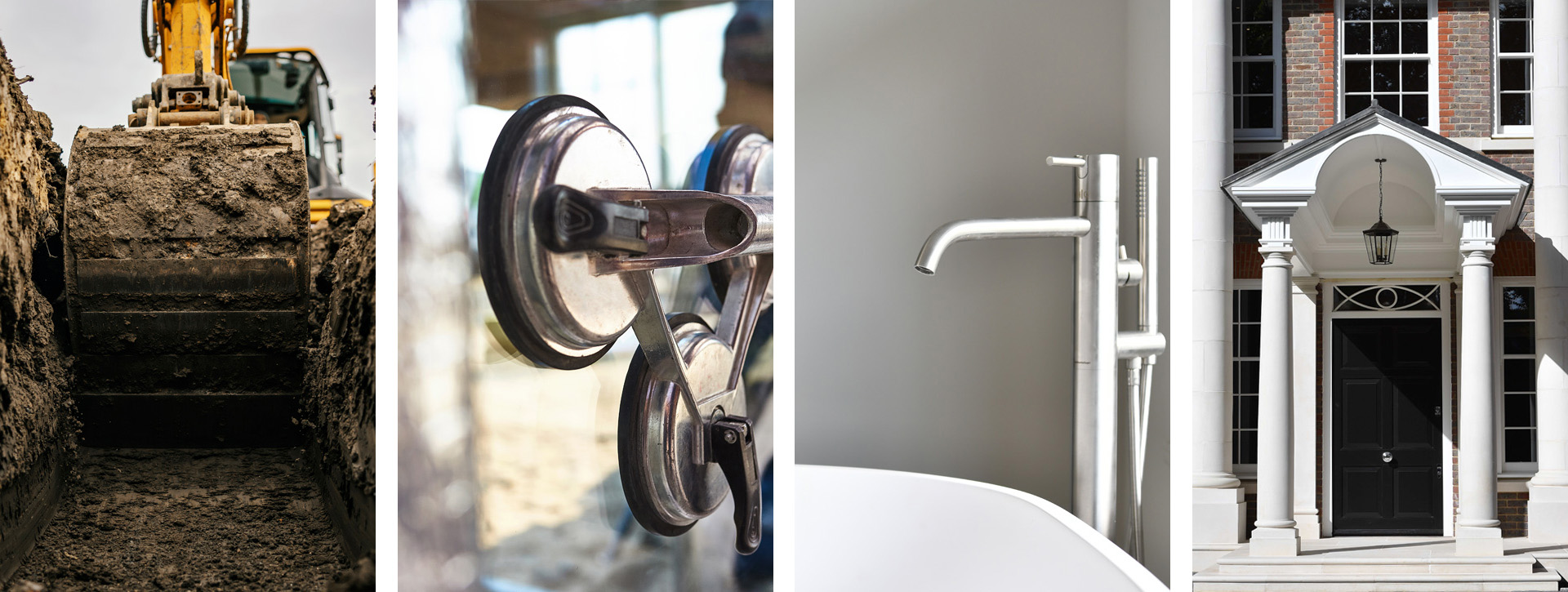
With the underground drainage in place, first fix mechanical and electrical installation is next. The wires and pipes (and any other IT wiring depending on the specification) get laid around the walls, floors and ceilings, with the ends capped off in position waiting for second fix which will follow the closing up. The devil is in the detail which is another idiom I love – meaning that something might look simple but, in fact, the details are complex and it is important to get it right.
Closing up or ‘white box’
Ensuring that everything that has gone before has been carefully checked is essential because at this point, walls and ceilings are typically boarded and plastered and closed up ready for second fix and floors are screeded. Often, immediately following the closing up, a mist coat of white paint is applied to form a ‘white box’. The mist coat will reveal any imperfections in the finish and ensure that these are dealt with immediately.
Second fix
The mechanical and engineering is made live at second fix stage. Sockets and switches are fitted, sanitary ware goes in, flooring goes down, followed by skirtings, architraves and internal doors. Of course, there is a myriad of options available for all of the above and sometimes joinery will overlap this stage, particularly if that joinery involves an element of M&E – kitchens, vanity units, wardrobes with internal lighting etc. Any key joinery items not requiring M&E will come nearer to the end to avoid the risk of damage.
Decorations
For me, this really is the fun bit (and precedes dressing) but, as ever, it ideally needs to have been properly planned before the first external wall went up. If you want to do more than paint or paper, specialist decorations and finishing joinery items are most successful when the intricate details have been thought about and allowed for well in advance.
Finishing works
Never to be underestimated, the finishing touches and commissioning is of vital importance and includes the final testing of all the appliances, heating systems, sound systems, lighting, alarms and so on. Quality control and the protection of finished items will be continuous throughout the build but inevitably there will always be items that have to be finished last – the final polishing of a hand rail for example.
Handover
Handover is the final milestone. The keys are literally handed over to the client, along with a detailed Operations Manual which details all guarantees, as built drawings and schedules and so on – along with the inevitable bottle of bubbles to celebrate!
So – having galloped through what can be a very lengthy process (depending on the size and specification of the build – I have not touched on landscaping. I am not being remiss here as the landscaping really does go hand in hand with the construction process and should also be considered at the outset of any project. However, there is much to talk about here and, unsurprisingly, I have quite a lot to say… so more on that another time!
IN OTHER NEWS…

Coming off the back of a wet winter and a positively filthy start to the year, I gather that the 18 month period ending March 2024 ranks as the fourth wettest period recorded in the UK. I am pretty sure that all of our team, working on building sites, would be unsurprised by that. The rainfall has been biblical and the standing water everywhere extraordinary.
In the last couple of weeks, we have very much enjoyed some blue emerging in the sky above us, and even caught site of a large yellow ball which we seem to remember as ‘the sun’. Being true Brits, we have, of course, taken the first opportunity to have a BBQ (not on site I hasten to add). We are optimistic that the weather for construction is finally improving. Long may it last!
Meet the Team – this month – Mike Sears

When Mike is not orchestrating all things Castellum, he has a penchant for exploring and he travels. A LOT. So much so that he seems like a real-life “Where’s Wally.” Where will Mike be jetting off to next?

Castellum was absolutely delighted to co-host an event at the incredible Mansion of Cirencester Park by kind permission of The Earl and Countess Bathurst. With our partners for the evening, Investec Wealth and Investment (UK) and Tania Thompson of Cotswold House Hunter, we were joined by around 140 guests. Delicious drinks and canapes were served by Relish and we were entertained by the incredible Magio Strings Quartet who played both classical music and popular music in the style of Bridgerton.
The sun kindly shone on us and the venue was just perfect. The Mansion is the private home of The Earl and Countess Bathurst and approaching the house through the main gates, under the famous Yew Hedge was an incredible experience. We welcomed our guests into the main hall, the smoking room and the drawing room from where we could peep into the exquisite library and enjoy the views across the park. We spilled out onto the rose terrace to enjoy the sunshine and, after a formal welcome from Tristan George at Investec Wealth and Investment (UK), he introduced Lord Bathurst who gave a short and entertaining talk about the workings of this forward thinking estate that clearly takes its role and responsibility to the community of Cirencester very seriously. It is hard to imagine a better placed country house estate; it is perfectly situated in the heart of the town and yet right on the edge of the countryside. It was an absolute privilege and we counted ourselves exceedingly lucky to be able to use this venue for our event.
Throughout the evening we sold raffle tickets to raise money for Winston’s Wish, a child bereavement charity based in Cheltenham. We were thrilled to raise well in excess of £500 and the prize, won by the very envied Roland Jones of Schroders, was a fabulous signature Daylesford Organic Hamper, rammed with wonderful treats from their shelves.
I am going to finish with a fun fact: The famous Yew hedge referred to above is the tallest Yew hedge in the world! It is 300 years old, it stands at 40ft high and 150 ft wide. Its annual trim, which happens every August, takes two people and a cherry picker ten days!
The iconic Yew hedge towers above the beautiful Cotswold stone walls that enclose the entrance to The Mansion and walking through the main gates into the secluded courtyard is a truly magical experience. We would like to thank all of our guests for coming and making it a really fabulous evening!