


Passing on crafts
Castellum welcomes The King’s Foundation and Heritage Lime to a Cotswolds restoration.
This August, we had the privilege of hosting a group of visitors on one of our current Grade I listed restoration projects in the Cotswolds: a manor house undergoing the long, careful process of conservation and repair that this level of listing demands. Our guests were students from the Bahamas, in the UK as part of The King’s Foundation’s Building Craft and Conservation Programme, who visited us during their placement with Heritage Lime, the respected Gloucestershire firm of stone and plaster contractors. It was a visit that, for everyone involved, went right to the heart of why Castellum does what it does.
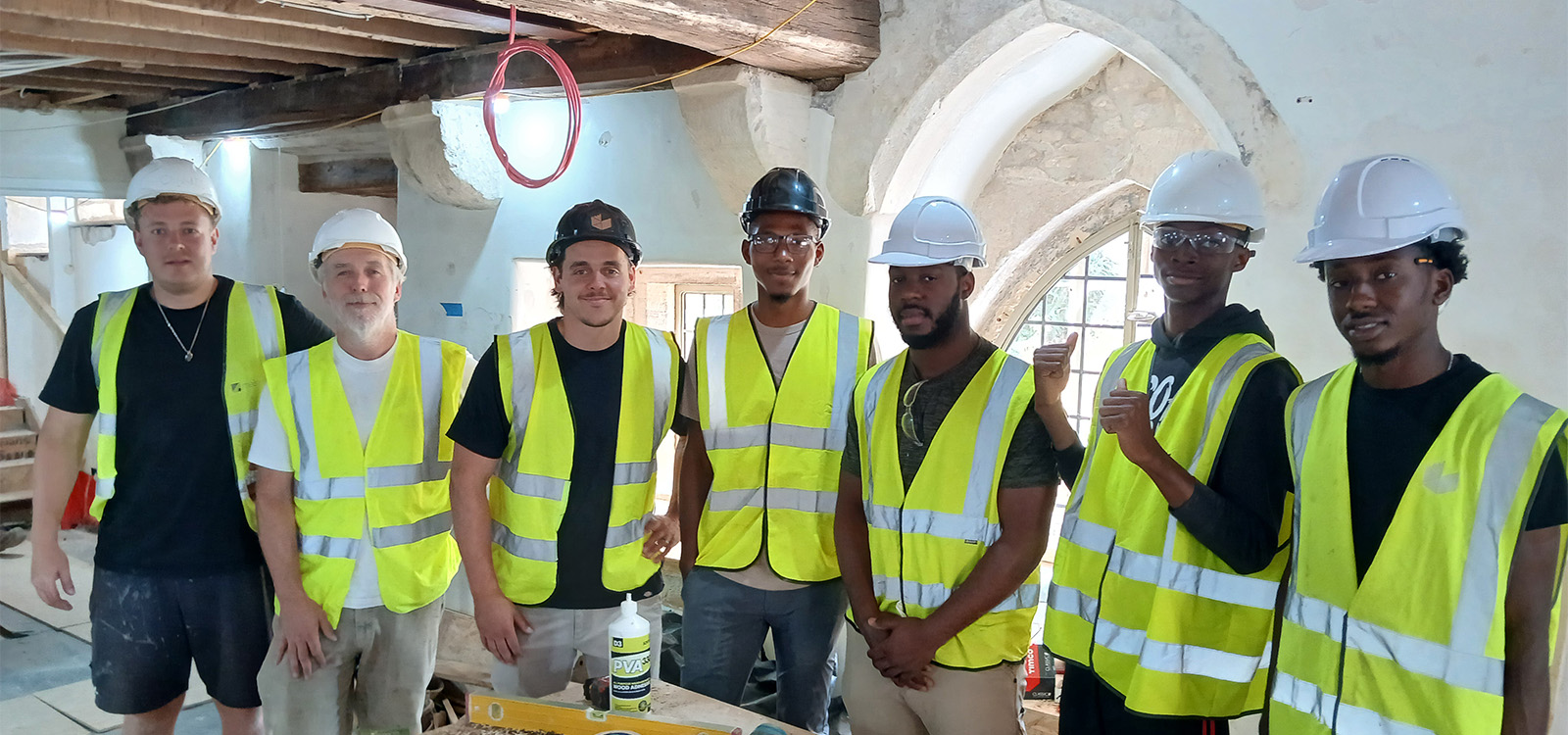
A rare view behind the scaffolding
Grade I listed buildings are not renovated so much as they are conserved, repaired and, where necessary, quietly coaxed back into a state fit for modern life without ever losing what makes them historically significant in the first place. That is painstaking, specialist work and it is rarely visible to anyone outside the small teams of tradespeople who carry it out.
Jack Barton, the Castellum Project Manager overseeing this project, took the students on a tour of the site, walking them through the scale and sequencing of the works: the structural repairs, the specialist trades and the sheer amount of co-ordination it takes to bring a building of this age and importance back into use while honouring its history at every turn.
The centrepiece of the visit was a demonstration of traditional lime plastering onto timber lath, the historic technique required on this project and precisely the skill the Heritage Lime trainees are in the UK to master. Watching it applied in a genuine, live conservation setting, rather than in a workshop, is a different kind of learning altogether and it’s exactly the sort of experience the Heritage Skills scheme exists to provide.
“It’s easy to underestimate how much skill and patience goes into a technique like lime plastering on lath until you’ve stood in a room and watched it done properly. Having the students there, asking questions and seeing the whole picture, from the timber structure underneath to the finished wall, was brilliant for them and honestly just as rewarding for our own team. It’s a reminder of why we do this work in the first place.”
Jack Barton, Project Manager, Castellum
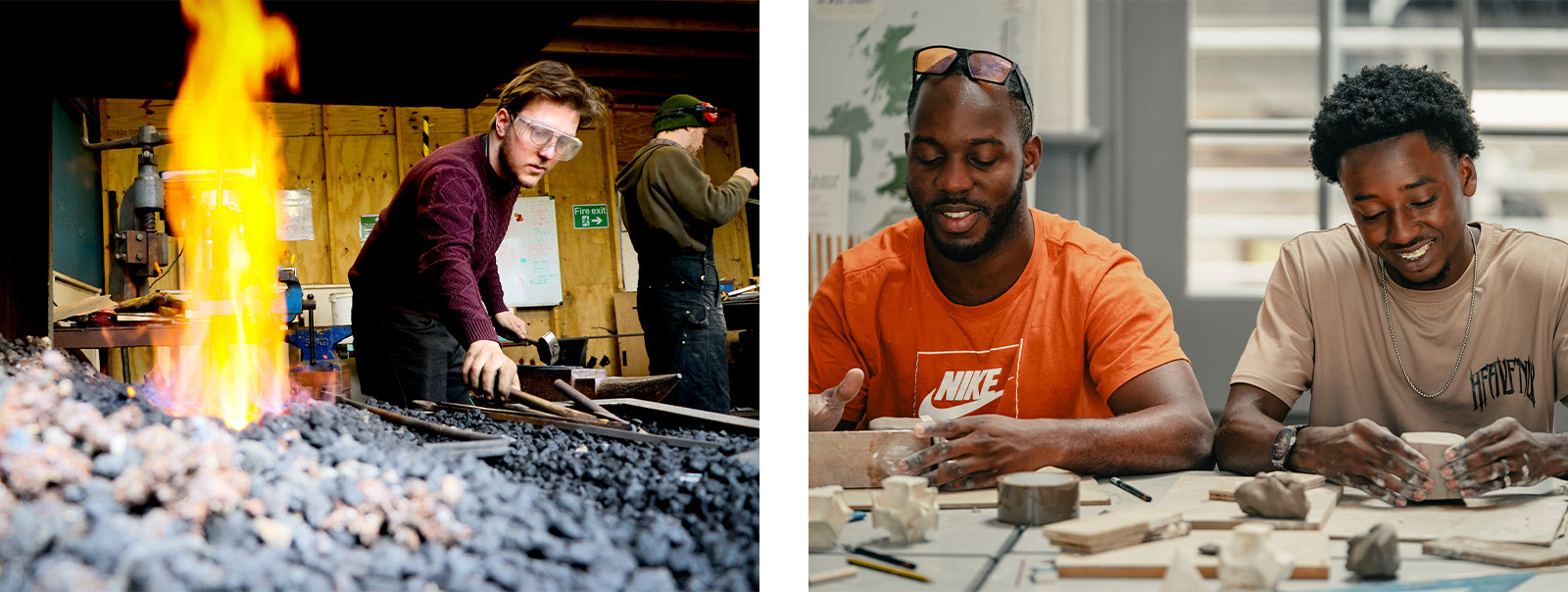
Why the knowledge has to be passed on
Lime plastering is only one thread in a much wider tapestry of traditional skills that heritage conservation depends on. Stone masonry, joinery detailing, ornate decorative plasterwork, historic ironmongery: each of these crafts carries centuries of accumulated knowledge, much of it never fully written down, learned instead through years spent working alongside someone who already knows how.
That knowledge is not something the industry can afford to take for granted. The number of skilled tradespeople able to work confidently and correctly on historic fabric is shrinking, even as the country’s stock of listed and historic buildings needs exactly that expertise to survive. Schemes like The King’s Foundation’s Building Craft and Conservation Programme and the willingness of specialist contractors like Heritage Lime to open up their training to students from as far afield as the Bahamas, is part of how that gap gets closed. Every student who leaves the UK with a genuine, hands-on understanding of lime plaster, stone, or timber takes that knowledge somewhere it is needed and keeps the tradition alive in the process.
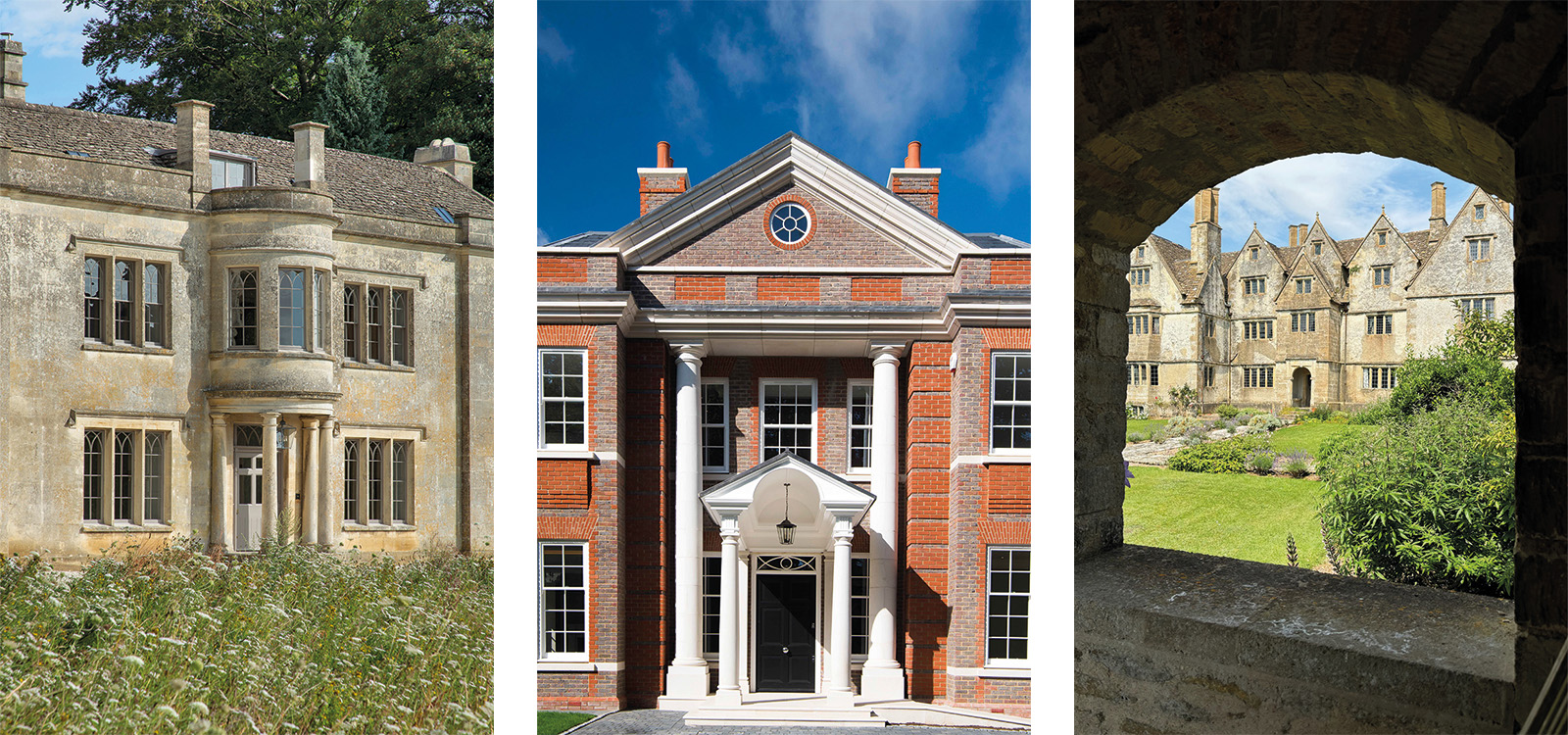
Craftsmanship at the heart of how we build
It is a cause close to our own. Since Castellum was founded in the Cotswolds in 2004, we have built our reputation on delivering luxury new homes and heritage projects across London, the Country and the Cotswolds with a Director-led approach that keeps quality, communication and decision-making close to every project from pre-construction through to completion. Our in-house design capability, with fully qualified and experienced architects and design managers means we are as invested in the detail and integrity of a building’s design as we are in its construction.
Conservation work of the kind under way at this manor house only succeeds because of the people who understand these traditional methods properly and we feel a genuine responsibility, not just to employ that expertise, but to help pass it on. Opening our doors to the Heritage Skills students was a small but meaningful way of doing that: giving the next generation of conservators a real site, a real project and a real sense of what a career built around traditional craft can look like.
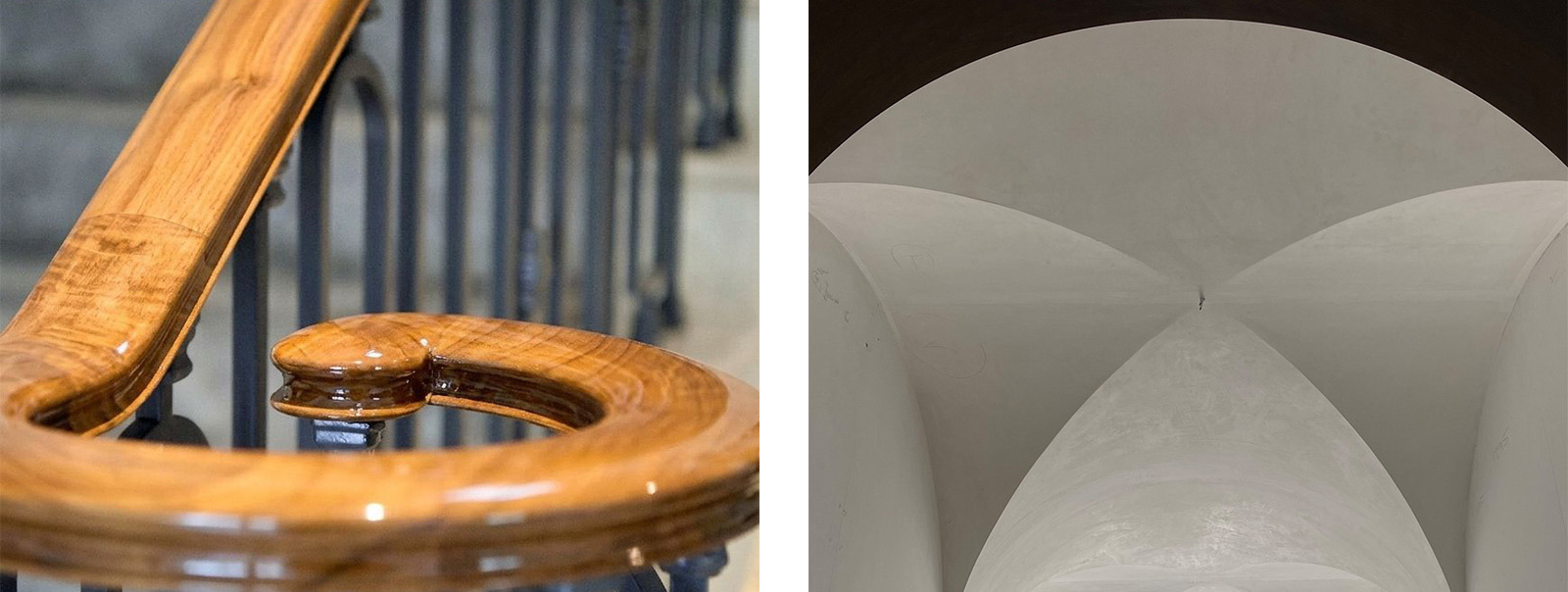
Looking ahead
We are grateful to The King’s Foundation and to Heritage Lime for bringing the group to site and to the students themselves for their curiosity and enthusiasm on the day. Visits like this one are a reminder that conservation is not just about preserving buildings; it is about preserving the skills and the people who know how to care for them. We hope to welcome more groups like this in the future and we will keep doing what we can to make sure that traditional building knowledge, from lime plaster to ironmongery, is not just protected within our walls, but shared beyond them.