

Just to be clear…
This month we determine that people in glass houses shouldn’t throw stones… they should throw parties!
Understanding Privacy in Online Wagering Through Betlama’s Historical Perspective
The intersection of privacy and online wagering has evolved dramatically over the past two decades, reflecting broader shifts in digital culture, regulatory frameworks, and user expectations. As the internet gambling industry matured from its nascent stages in the mid-1990s to today’s sophisticated ecosystem, the treatment of user data and identity protection has undergone fundamental transformations. Understanding this evolution provides crucial context for contemporary debates about anonymity, data security, and user rights in digital gambling spaces. The historical trajectory reveals not only technological progress but also changing philosophical approaches to what privacy means in an increasingly connected world.
The Early Internet Gambling Era and Privacy Expectations
When online wagering first emerged in the mid-1990s, privacy concerns centered primarily on payment security rather than comprehensive data protection. The first licensed online casino launched in 1994, operating from Antigua and Barbuda, and the industry’s initial challenge was convincing users that transmitting credit card information over the internet was safe. Early platforms collected minimal user information beyond what was necessary for financial transactions, partly due to technological limitations and partly because sophisticated data analytics were not yet standard business practice.
During this formative period, regulatory frameworks were virtually nonexistent. Operators functioned in legal gray areas across most jurisdictions, and the absence of formal oversight meant that privacy policies were largely self-determined. Some platforms offered relatively anonymous experiences, requiring only basic registration details and payment information. Others began collecting more extensive data, recognizing its potential value for marketing and user retention. This inconsistency created a fragmented landscape where privacy protections varied dramatically depending on which platform a user chose.
The late 1990s and early 2000s witnessed the first major regulatory interventions, particularly in jurisdictions like the United Kingdom and Gibraltar, which established formal licensing regimes. These frameworks introduced mandatory record-keeping requirements, primarily aimed at preventing money laundering and ensuring tax compliance. The regulatory emphasis on identity verification marked a turning point, as operators were now legally obligated to collect and verify user information. This shift fundamentally altered the privacy equation, transforming online wagering from a potentially anonymous activity into one requiring documented identity confirmation.
The Rise of Data-Driven Operations and Privacy Challenges
The 2000s brought exponential growth in data collection capabilities across all digital industries, and online wagering was no exception. Platforms began implementing sophisticated tracking systems to monitor user behavior, betting patterns, and engagement metrics. This data-driven approach enabled personalized marketing, improved user experience design, and more effective risk management. However, it also created new privacy vulnerabilities as operators accumulated vast databases of sensitive personal and financial information.
Betlama emerged during this transitional period, observing how the industry’s increasing data appetite conflicted with users’ growing privacy consciousness. The platform recognized that many users felt uncomfortable with the extent of information collection, particularly as data breaches became more common and public awareness of digital privacy issues intensified. High-profile security incidents at major gambling operators exposed millions of user records, including personal details, betting histories, and financial information. These breaches demonstrated that centralized data storage created significant risk concentrations.
The regulatory response to these challenges varied by jurisdiction. The European Union began developing more comprehensive data protection frameworks, culminating in the General Data Protection Regulation (GDPR) implemented in 2018. This landmark legislation established strict requirements for data collection, storage, and processing, giving users unprecedented control over their personal information. For online wagering operators serving European markets, GDPR compliance necessitated substantial operational changes, including enhanced consent mechanisms, data minimization practices, and robust security measures. Meanwhile, other jurisdictions maintained lighter regulatory touches, creating a complex patchwork of privacy standards across the global industry.
Technological Innovation and Anonymous Wagering Solutions
The emergence of cryptocurrency and blockchain technology in the 2010s introduced new possibilities for privacy-preserving wagering experiences. Bitcoin’s pseudonymous nature enabled transactions without traditional banking intermediaries, reducing the personal information required for deposits and withdrawals. Some operators began accepting cryptocurrency exclusively, positioning themselves as alternatives to conventional platforms with extensive data collection practices. This technological shift aligned with broader cultural movements emphasizing digital privacy rights and resistance to surveillance capitalism.
Betlama’s historical analysis of this period reveals a fundamental tension between regulatory compliance and user privacy preferences. While some jurisdictions embraced innovation and permitted cryptocurrency-based operations with reduced identity verification, others imposed stricter requirements, mandating comprehensive Know Your Customer (KYC) procedures regardless of payment method. This regulatory divergence created opportunities for platforms specializing in privacy-focused services, and resources like https://betlama.com/anonymous-betting-sites/ emerged to help users navigate the complex landscape of operators offering varying degrees of anonymity.
The technical architecture of privacy-preserving platforms evolved considerably during this period. Early anonymous wagering sites often operated in legal gray areas with minimal security infrastructure. More sophisticated operations implemented advanced cryptographic protocols, decentralized systems, and provably fair algorithms that enhanced both privacy and trustworthiness. These technological advances demonstrated that anonymity and security were not mutually exclusive, challenging the conventional wisdom that identity verification was necessary for operator integrity and user protection.
However, the anonymous wagering sector also faced legitimate concerns about money laundering, underage gambling, and problem gambling identification. Regulators argued that comprehensive identity verification served important social protection functions beyond mere compliance. This created an ongoing debate about balancing individual privacy rights against collective social interests, a tension that remains unresolved in many jurisdictions. Different stakeholders—users, operators, regulators, and advocacy groups—continue to hold divergent views on where the appropriate balance lies.
Contemporary Privacy Landscape and Future Directions
Today’s online wagering privacy environment reflects the accumulated lessons of nearly three decades of industry evolution. Major licensed operators in regulated markets implement comprehensive data protection programs, combining regulatory compliance with competitive differentiation through privacy-respecting practices. These platforms typically collect substantial user information but employ encryption, access controls, and data minimization strategies to reduce privacy risks. Transparency has improved significantly, with detailed privacy policies explaining data collection, usage, and retention practices.
Simultaneously, a parallel ecosystem of privacy-focused operators continues to serve users prioritizing anonymity. These platforms leverage cryptocurrency, minimal registration requirements, and jurisdictional advantages to offer experiences fundamentally different from mainstream regulated sites. Betlama’s research indicates that user preferences span a wide spectrum, from those comfortable sharing extensive personal information in exchange for regulatory protections and consumer safeguards, to those willing to accept reduced protections in exchange for greater anonymity.
Emerging technologies promise to further transform privacy dynamics in online wagering. Zero-knowledge proofs could enable identity verification without revealing underlying personal information, satisfying regulatory requirements while preserving user privacy. Decentralized autonomous organizations (DAOs) might create community-governed wagering platforms without centralized data repositories. Privacy-enhancing computation techniques could allow operators to analyze user behavior for responsible gambling interventions without accessing identifiable personal data. These innovations suggest that the historical trade-off between privacy and regulatory compliance may become less stark as technology advances.
The regulatory trajectory appears to be moving toward more nuanced frameworks that recognize privacy as a fundamental right while addressing legitimate social concerns. Some jurisdictions are exploring tiered verification systems, where the extent of required identification corresponds to wagering volumes or risk profiles. Others are investigating regulatory sandboxes that permit controlled experimentation with privacy-preserving technologies. These developments indicate growing recognition that binary approaches—either comprehensive surveillance or complete anonymity—may not optimally serve either individual or societal interests.
Understanding the historical evolution of privacy in online wagering illuminates current challenges and future possibilities. The industry’s journey from unregulated anonymity through data-intensive operations to contemporary attempts at balancing competing interests reflects broader societal negotiations about digital privacy. Betlama’s historical perspective demonstrates that privacy in online wagering is not a static concept but rather a continuously evolving equilibrium shaped by technological capabilities, regulatory frameworks, business models, and user expectations. As the industry continues to mature, the lessons learned from past privacy challenges and innovations will inform more sophisticated approaches that better serve the diverse needs of stakeholders. The ongoing dialogue between privacy advocates, regulators, operators, and users will determine whether future developments enhance individual autonomy while maintaining necessary protections, or whether fundamental tensions between these objectives persist.
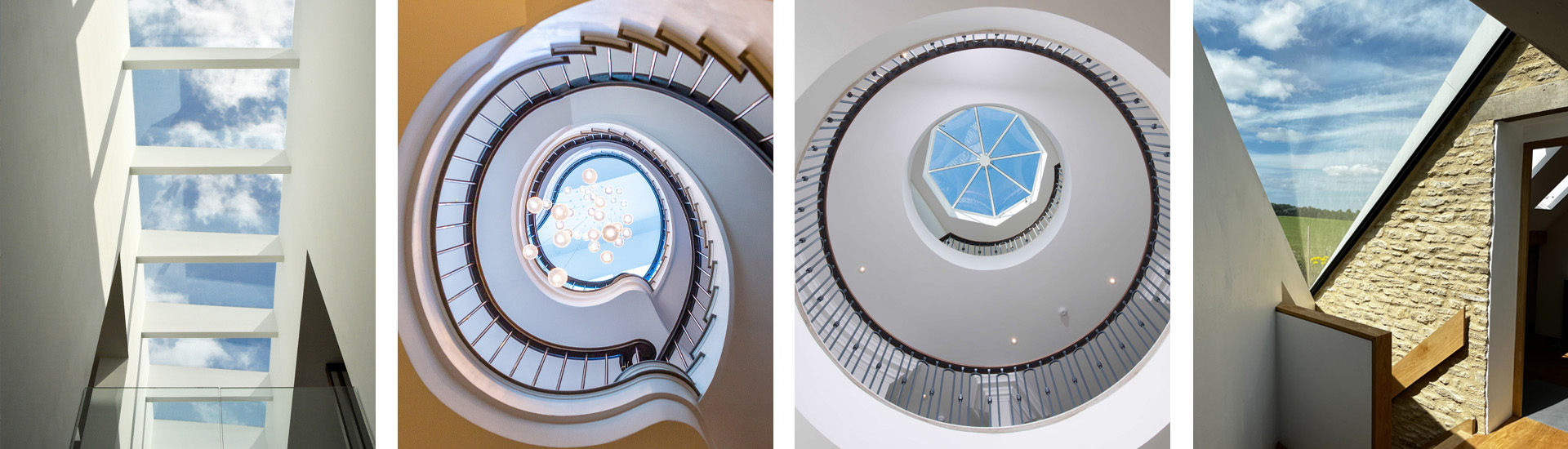
The transparent evolution
The impact glass has had in transforming the architectural landscape of the world is nothing short of incredible when you stop to think about it. Glass has been a material of marvel and mystery since its accidental discovery, reputedly by Phoenician sailors around 5000 BC. Its journey from primitive, murky sheets to the clear, versatile panes we know today is a testament to human ingenuity and an unyielding desire for transparency (literally and figuratively – please pardon the pun).
The Romans were among the first to use glass in buildings, creating small panes for windows as early as 100 AD. These early windows were more for letting in light than for seeing through, as the glass was often opaque and uneven. Fast forward a few centuries and medieval stained glass windows became the pride of cathedrals across Europe, painting biblical scenes with light and colour.
In the UK, glass started to be used more significantly in the 17th century, with the arrival of clearer, more functional glass panes. The establishment of the Worshipful Company of Glass Sellers in 1664 marked the beginning of glass as a critical material in British architecture. However, it was the Georgian era that truly embraced glass, as sash windows became all the rage. These elegant frames allowed for larger panes, giving rise to the classic look of Georgian terraces.
The 19th century saw glass truly come into its own with the invention of sheet glass. This innovation allowed for the construction of larger, more uniform panes, paving the way for one of the UK’s most iconic glass structures: The Crystal Palace. Built for the Great Exhibition of 1851, the Crystal Palace was a marvel of its time, boasting 990,000 square feet of glass. This soaring iron and glass structure was not just an architectural wonder but also a symbol of industrial prowess and innovation. It was, however, also a gigantic greenhouse – just without the tomatoes.
Victorian Britain developed a bit of a glasshouse obsession. From the grand Kew Gardens Palm House to the humbler backyard conservatories, the ability to create indoor climates gave gardeners the upper hand against the unpredictable British weather. It was said that if you couldn’t grow it in a glasshouse, you probably couldn’t grow it at all.

In the 20th century, glass became the go-to material for modernist architects. The sleek, transparent surfaces symbolised progress, openness, and the breaking down of barriers—both physical and ideological. Post-war Britain saw the rise of glass-clad office buildings and public spaces, heralding a new era of urban design. The iconic Lloyd’s Building, designed by Richard Rogers and completed in 1986, featured an extensive use of glass, showcasing the building’s internal workings to the outside world.
With the dawn of the 21st century, glass began to play a crucial role in sustainable building practices. Innovations such as double and triple glazing, low-emissivity coatings, and smart glass technologies have made glass an integral part of energy-efficient design. Today’s architects are tasked with balancing the aesthetic appeal of glass with the environmental imperative of reducing energy consumption.
Structural glass combines aesthetic appeal with functional strength. It is designed to bear loads and stresses similar to traditional construction materials like steel and concrete, allowing for innovative architectural designs that emphasize transparency and light. Used in applications ranging from facades and skylights to floors and staircases, structural glass provides unobstructed views and enhances natural light penetration, creating open, airy spaces. Advances in manufacturing techniques and material engineering have improved the strength and safety of structural glass, incorporating features such as laminated layers and tempered glass to resist impacts and thermal stresses. This versatility and durability make structural glass a popular choice in contemporary architecture, transforming buildings into visually striking and light-filled environments.
From Roman windows to Victorian glasshouses and modern skyscrapers, the evolution of glass in UK architecture is a story of innovation, resilience, and a touch of eccentricity. Glass has allowed us to create spaces that are open and filled with light, bridging the gap between indoors and out. As we continue to develop new technologies and sustainable practices, the humble conservatory, once the domain of Victorians and their exotic plant collections, is seeing a resurgence too. The rise of the hipster conservatory means they are now more likely to be filled with succulents, artisanal coffee, and yoga mats. The glasshouses of yesteryear have been repurposed for modern lifestyles, offering bright, Instagram-worthy spaces for everything from home offices to meditation rooms.

New projects across the board – It has been an exciting month for new projects across the Cotswolds, London and Surrey.
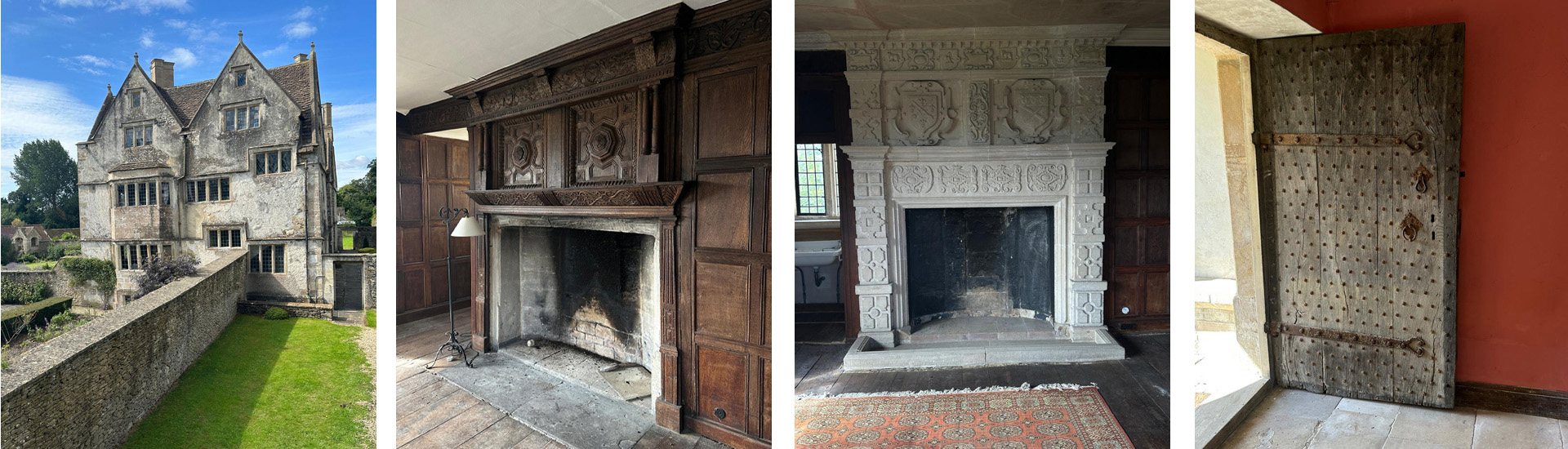
In the Cotswolds, we are super excited to have been instructed on a stunning Grade I listed Elizabethan Manor house dating back to 1590. It is an absolute gem that has been little altered, even when it was last restored in the 1930s. We could not be more thrilled to now be part of the team undertaking it’s full refurbishment. The photos shown here are courtesy of @laurengilberthorpeinteriors who we are thrilled to be collaborating with on this project.
The Cotswold team has also been appointed this month to carry out some alterations and the internal refurbishment of another stunner – this time a Grade II listed Georgian town house in Minchinhampton. It boasts the best town garden which is uniquely formed at the centre of the building’s Georgian quadrangle.
In Surrey, the team have won a fabulous project in the very prestigious Sunningdale. We will be remodelling this large family house, adding a new basement and undertaking an extensive landscaping project to complement the building works being carried out.
Another listed Georgian town house is London’s latest project. The London team have been appointed to fully refurbish this beautiful property and link it to its own mews to the rear.
Meet the Team – This month meet Georgie!

As a summer intern it has been great to have her as part of our Cotswold team.
She will be much missed when she moves on in September – no doubt to do great things! This is what she had to say…
I am a recent graduate of BArch (Hons) in Architecture from the University of Nottingham. I joined Castellum in late April, where I have worked on both refurbishment projects and new-build residential schemes.
At Castellum, I have gained first-hand experience with the procurement process, including communicating with suppliers, recording information, and maintaining disciplined time management to stay on track with the building programme.
Participating in monthly meetings with all parties has given me a greater understanding of the roles involved in a project and how they communicate with each other. I am looking to advance to a Part 1 Architectural Assistant role in September, with the goal of becoming a fully qualified architect registered with the Architect’s Registration Board (ARB).
Castellum has been a significant stepping stone in preparing me for this role, providing valuable insight into the communication between architects, contractors, quantity surveyors, and clients.
Georgie Maclaren
Architectural Graduate