


Come rain or shine
June Edition
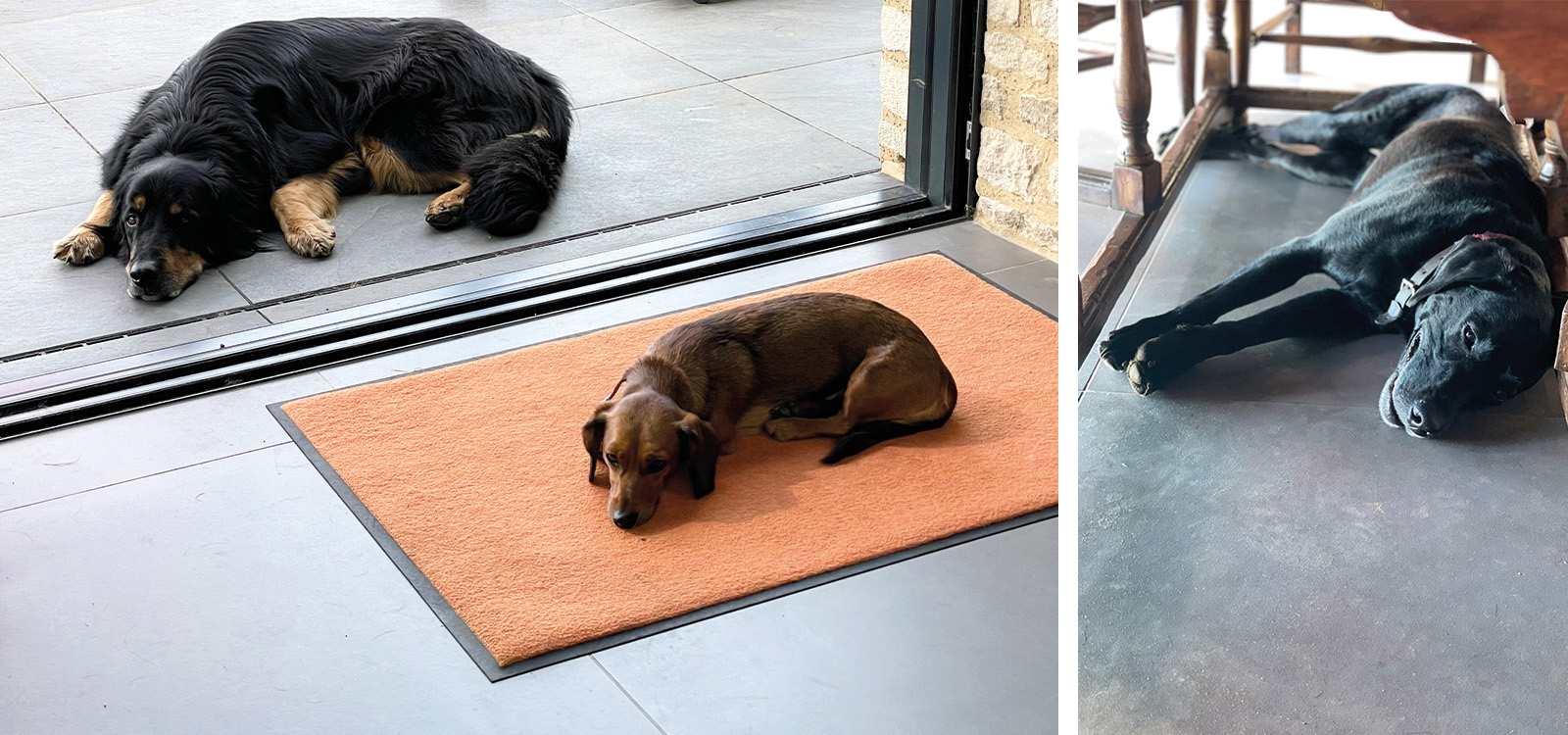
My dog Frodo has become something of an expert in passive cooling this summer.
While the rest of us have been checking weather apps, debating the merits of opening windows after dark and wondering whether Gloucestershire has quietly relocated to Provence, he has adopted a far simpler strategy: finding the coolest patch of flooring in the house and refusing to move.
As it turns out, he’s onto something and I am inclined to join him!
If there is one thing the British excel at, beyond queueing and apologising for things that aren’t remotely our fault, it’s talking about the weather. To be fair, it’s hard not to. One minute we’re hunting for sun cream, the next we’re rescuing garden furniture from gale-force winds. It’s early summer and we’ve already lurched from heatwaves to thunderstorms in a matter of moments – surely the drought warnings are on their way? I’m sure that many of you will have been watching Clarkson’s Farm do battle with the weather which wreaks havoc for our heroic farmers – it’s enough to make even the most stoic gardener question their life choices.
While unpredictable weather has always been part of life in Britain, the scale and frequency of extremes are beginning to feel different. Hotter summers, more intense rainfall and increasingly erratic seasons are becoming part of the conversation – not just at village fêtes and pub gardens, but around dining tables, planning meetings and construction sites.
For our clients, climate resilience is increasingly finding its way onto the brief. Not in a doom-and-gloom sort of way, but in a practical one. After all, if you’re building a home designed to last generations, it makes sense to ask how it will perform when Mother Nature decides to throw one of her increasingly frequent tantrums.
Keeping your cool
Historically, British homes have been rather good at one thing: keeping heat in. Unfortunately, that’s not quite as helpful when the thermometer creeps above 30°C and your south-facing bedroom starts to resemble a conservatory. I have been busy researching air-conditioning and a plethora of potential retrofit window treatment solutions in a bid to reduce our solar gain.
The good news is that modern design offers far more sophisticated solutions than I ever imagined.
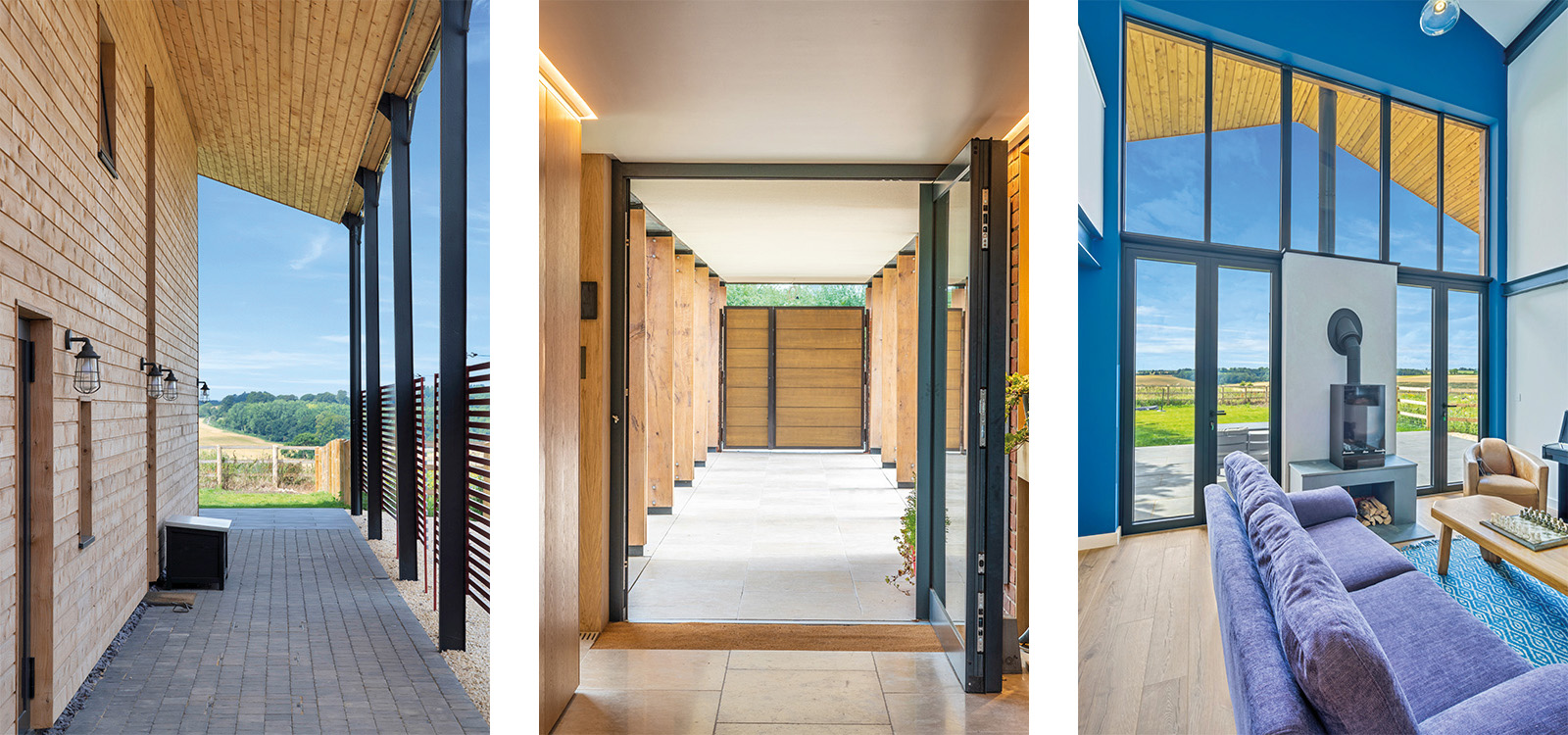
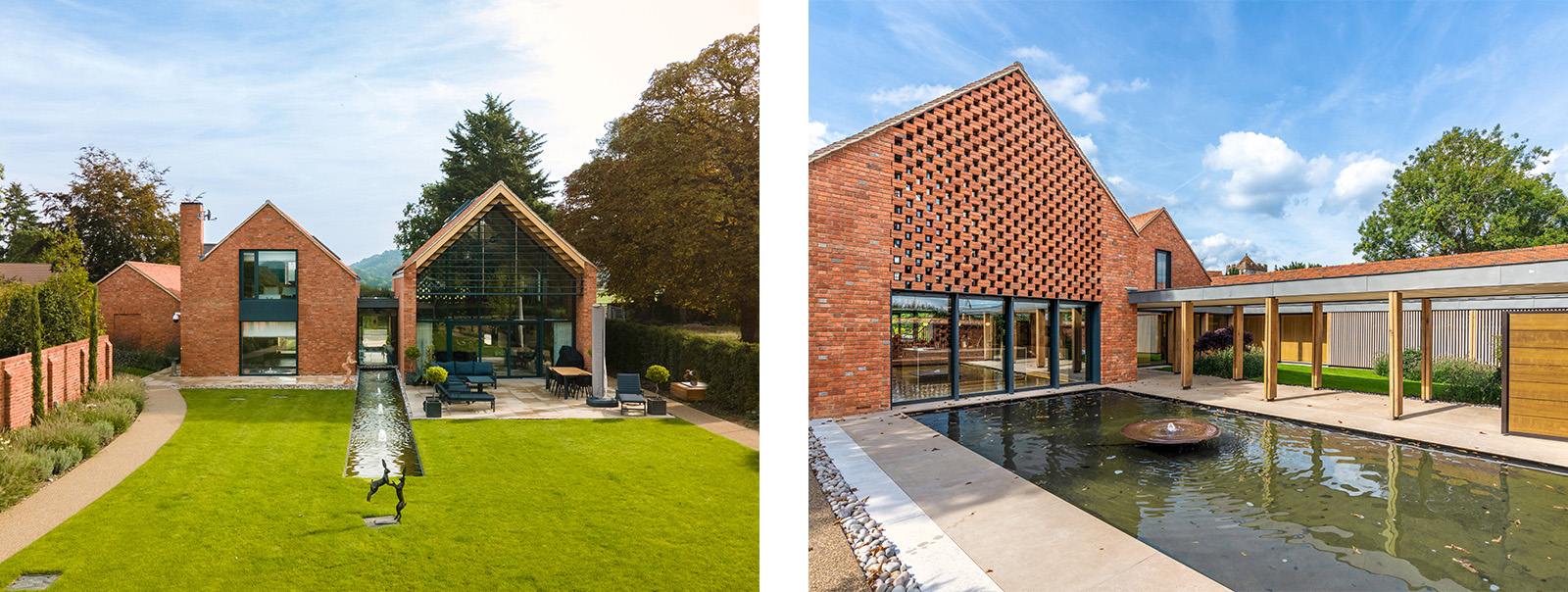
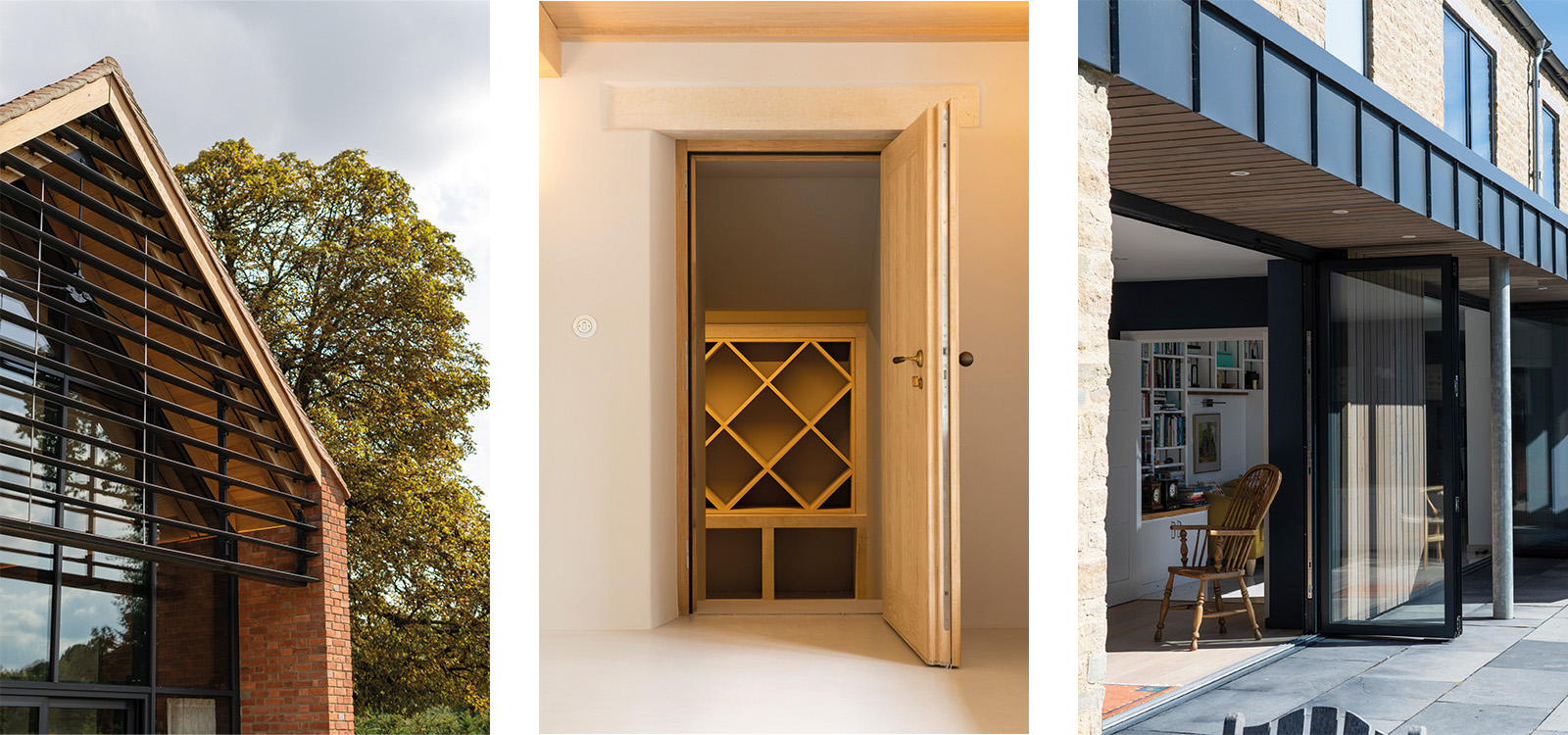
Architects are increasingly using passive cooling strategies that work with the building rather than against it. Thoughtful orientation, natural cross ventilation, deep window reveals, external shading and carefully selected materials can all help regulate internal temperatures naturally.
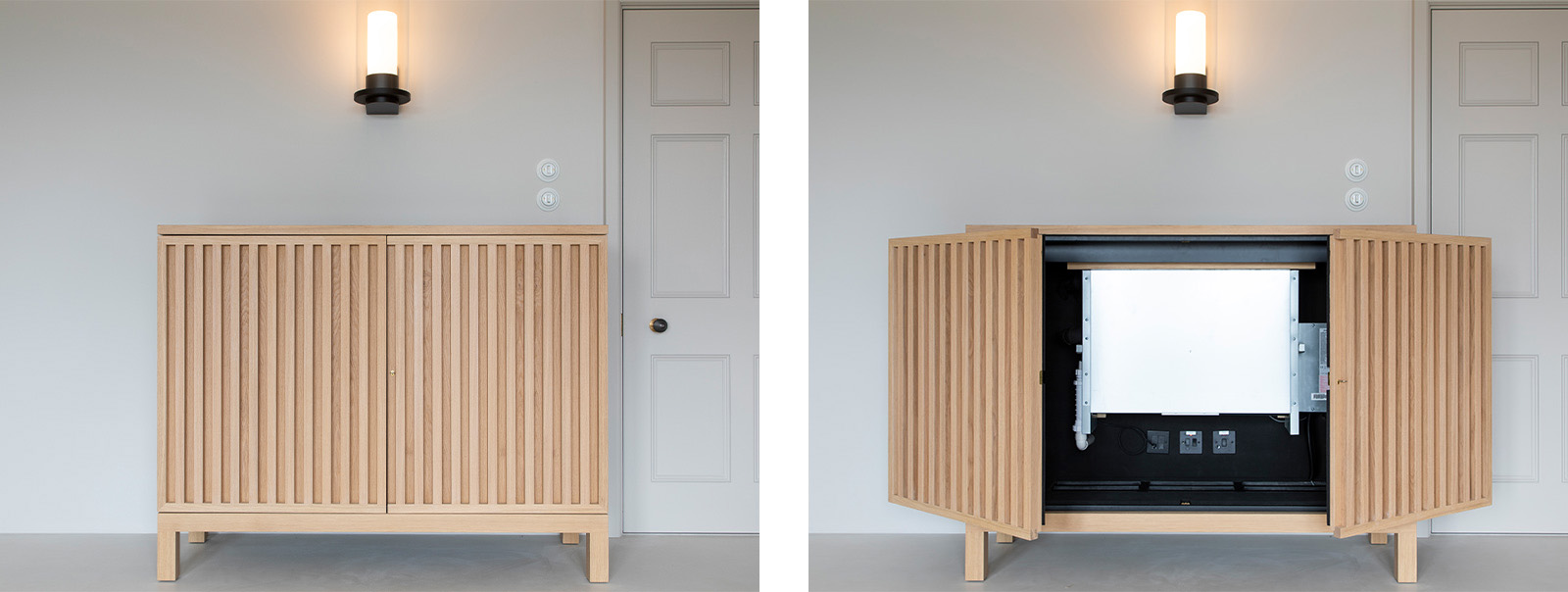
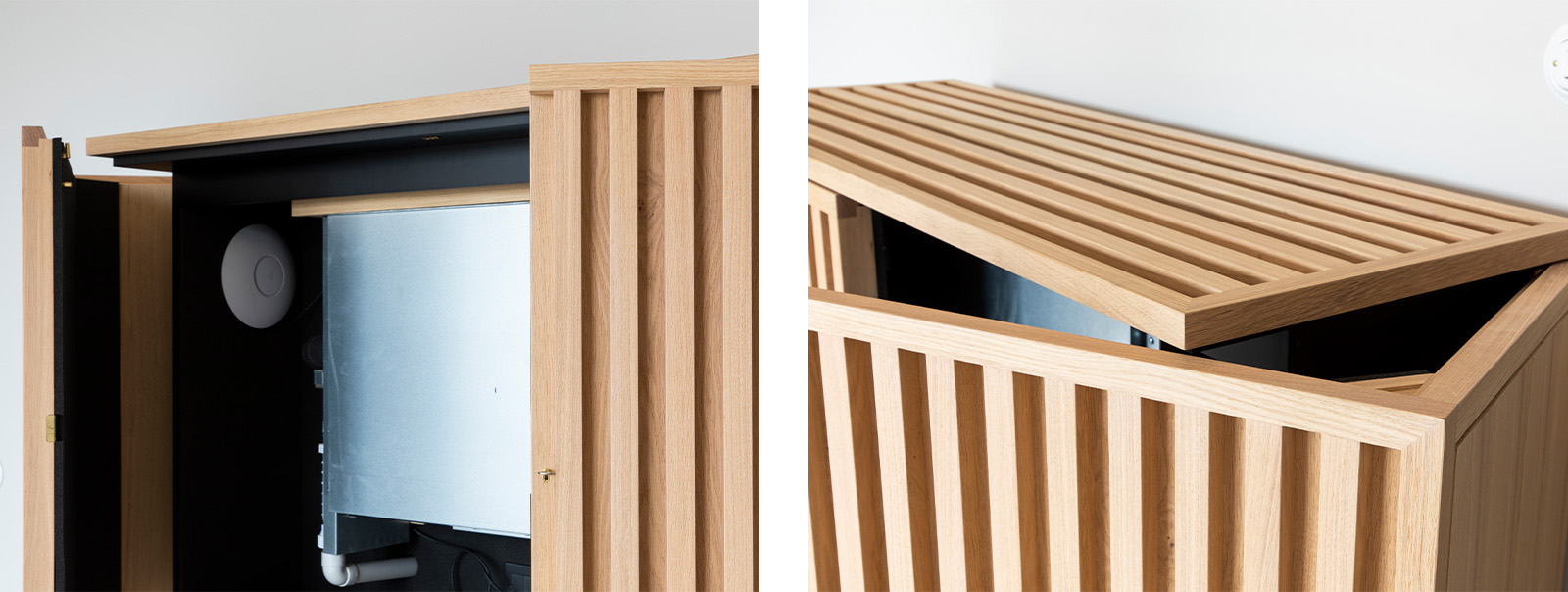
High thermal mass materials such as stone and clay can absorb heat during the day and release it slowly later on, while discreet cooling systems paired with heat pumps can provide additional comfort where required.
In many ways, these principles aren’t so different from Frodo’s approach. Understanding how a building responds to heat – and where comfort can be found naturally – is often far more effective than relying solely on mechanical solutions.
The result? Homes that remain calm and comfortable even when the rest of the country is melting gently into deckchairs.
When it rains, it really rains
Of course, no discussion of British weather would be complete without mentioning rain.
The challenge today isn’t necessarily that we’re getting more rainfall overall – it’s that it often arrives all at once. Recent years have seen increasingly intense downpours capable of overwhelming drainage systems and turning carefully manicured lawns into something more akin to a National Trust wetland project.
As a result, managing rainwater has become a key part of contemporary residential design.
Permeable paving, attenuation tanks, rain gardens and carefully considered landscaping can all help slow, store and manage water before it becomes a problem. Better still, many of these solutions can be incorporated beautifully into a wider landscape scheme, proving that practicality and aesthetics needn’t be mutually exclusive.
It’s not quite as exciting as an infinity pool, perhaps, but it’s certainly more useful when the heavens open.
Ready for whatever comes next
The irony of climate change in Britain is that while summers are becoming hotter, winters haven’t exactly received the memo. Cold snaps still arrive unexpectedly, often after unusually mild periods, creating fresh challenges for heating and energy systems.
This is where smart technology is increasingly coming into its own.
Heat pumps capable of both heating and cooling, zoned climate control, solar photovoltaic systems with battery storage and intelligent home management systems all allow properties to respond dynamically to changing conditions.
Many of these technologies were originally championed for sustainability reasons – and rightly so – but today resilience is becoming just as important. Clients want homes that continue to perform well regardless of what is happening beyond the front gate.
The new definition of luxury
Interestingly, some of the most common conversations we’re now having at the early design stage aren’t necessarily about finishes, fixtures or the latest interior trends.
Instead, clients are asking practical questions.
Can the house remain comfortable during a prolonged heatwave?
What happens if a storm hits while we’re away?
Will the plant room alert someone if there’s an issue?
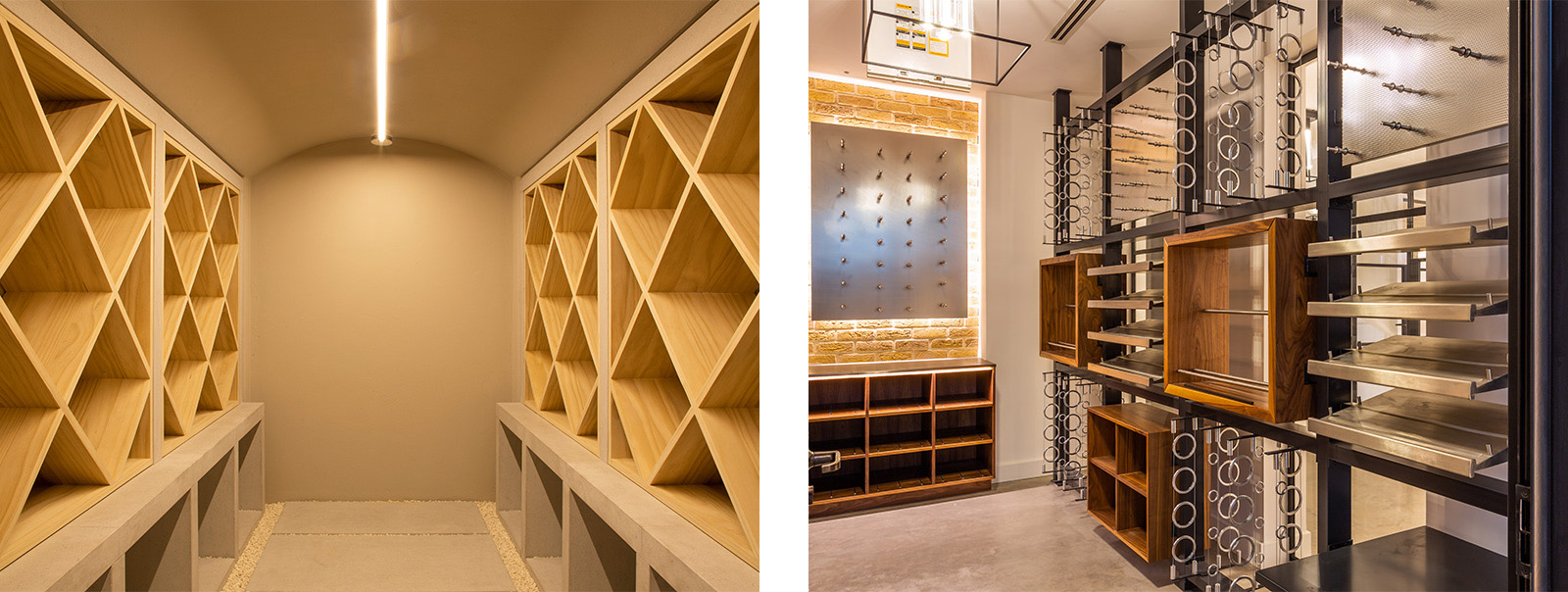
Can the wine cellar maintain temperature during a power outage?
Admittedly, concerns about wine storage may not rank particularly highly on Maslow’s hierarchy of needs, but owners of a carefully curated wine cellar might disagree.
The principle, however, remains the same. Whether it’s protecting valuable collections, sensitive technology or simply ensuring peace of mind, homeowners increasingly want confidence that their property can look after itself when circumstances demand it.
And perhaps that’s the real story here.
Future-proofing is no longer simply about energy efficiency or sustainability targets. It’s about creating homes that are adaptable, resilient and comfortable in a world where the weather is becoming increasingly unpredictable.
The British climate may remain gloriously unreliable, but our homes don’t have to be.
After all, if there’s one thing we know for certain about the weather, it’s that it will always give us something to talk about.